
Knee Osteoarthritis Flare-Up: Pacing, Movement, and Recovery
Learn how to respond to a temporary increase in knee osteoarthritis symptoms using pacing, joint-friendly movement, and medical support.
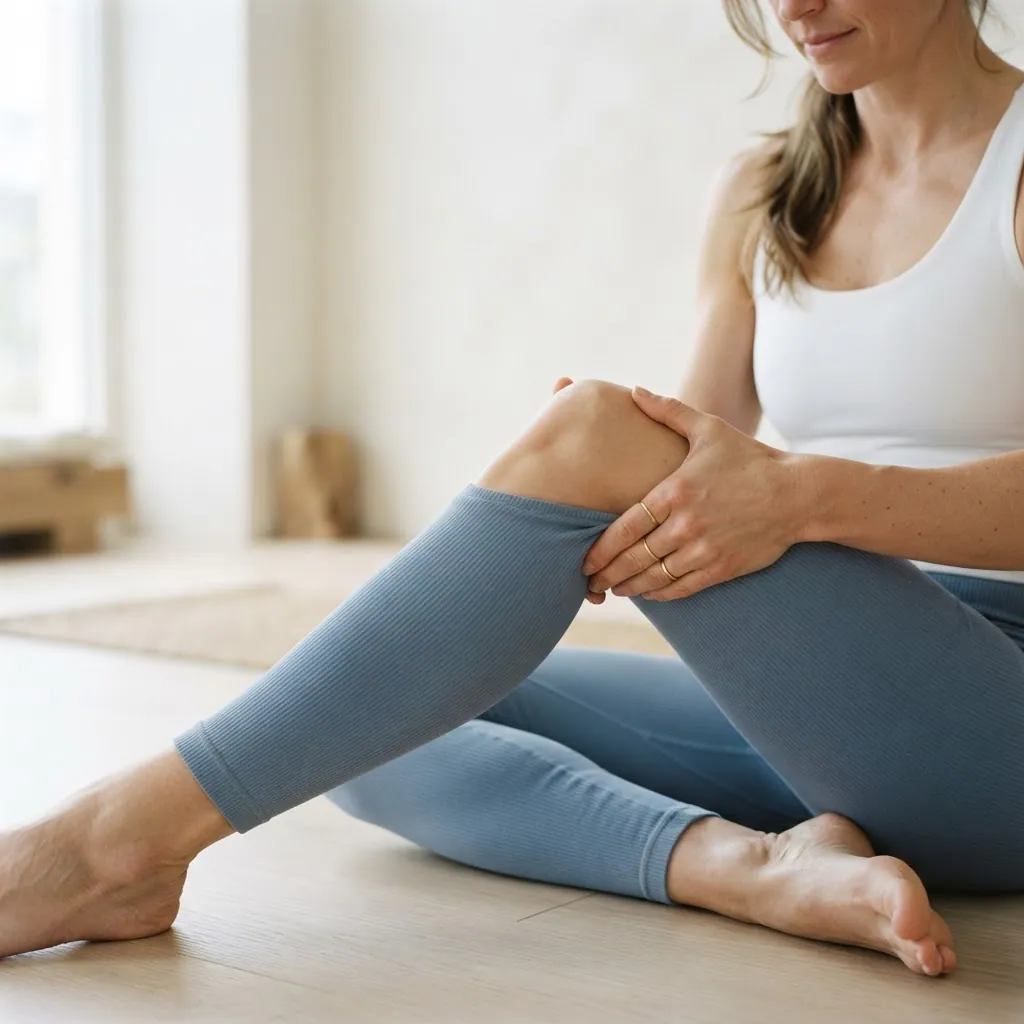
Key takeaways
- A flare does not always require complete inactivity.
- Pacing can reduce repeated overload.
- A hot red joint or fever is not a routine flare.
What a flare can feel like
A flare may include more pain, stiffness, swelling, or reduced function than usual. It can follow a busy day, change in activity, illness, poor sleep, or occur without a clear trigger.
Reduce, do not necessarily stop
Temporarily shorten walks, reduce stairs, or choose easier exercise. Gentle movement can help avoid excessive stiffness when it does not aggravate symptoms.
Use pacing
Break tasks into smaller blocks, alternate activity with recovery, and avoid trying to complete all demanding jobs on one day.
Return gradually
As symptoms settle, rebuild normal activity in steps. Resume strength and aerobic exercise at a level below the point that triggered a major flare.
When it may be something else
Seek prompt care for a hot red joint, fever, sudden severe swelling, injury, or inability to bear weight. These signs are not typical self-managed flare symptoms.
Frequently asked questions
Should I rest completely during a flare?
Not necessarily. Gentle joint-friendly movement is often useful if it remains comfortable.
How long does a flare last?
Duration varies. Severe, unusual, or persistent symptoms should be reviewed.
Can a sleeve help?
A sleeve may add warmth or comfort, but it does not replace arthritis management or medical care.
Sources and editorial note
This educational article is based on reputable medical and public-health references. It does not provide a diagnosis and is not a substitute for advice from a qualified healthcare professional.