
Knee Sleeve for Hiking: Fit, Terrain, and Trail Preparation
Learn when a knee sleeve may add comfort on hikes and why training, pack weight, and descent strategy matter more.
Key takeaways
- Test support on short walks first.
- Downhill control and pack weight influence symptoms.
- Stop if support causes numbness or increased swelling.
What a sleeve may offer
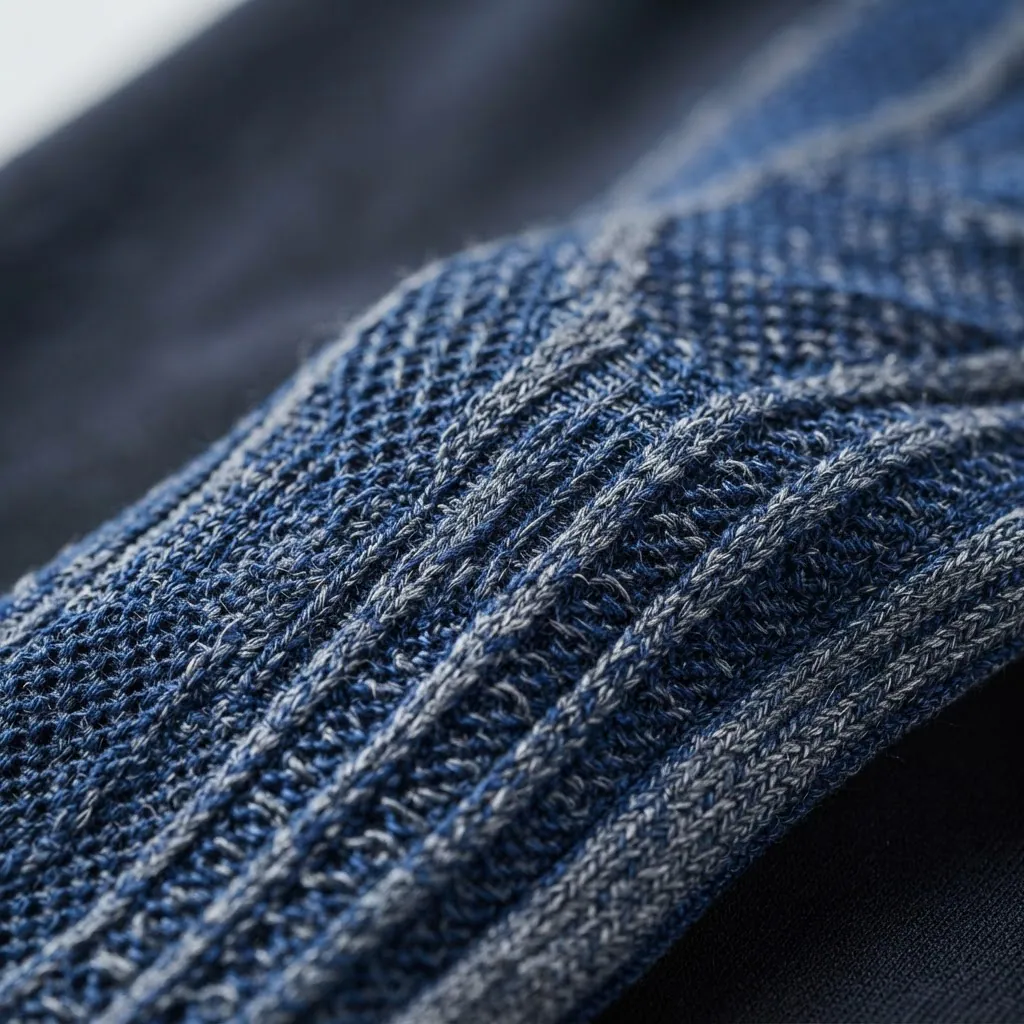
Flexible compression can provide warmth, skin feedback, and comfort without the bulk of a structured brace.
Fit for the trail
The sleeve should stay in place during repeated bending without rolling or pinching. Check fit after sweating and elevation changes.
Prepare the knee
Build walking distance, hills, step-down control, and lower-limb strength before the trip. Do not rely on gear to replace preparation.
Use other tools
Trekking poles, suitable footwear, a lighter pack, and route planning may reduce trail demand more than a tighter sleeve.
When not to continue
Turn back for escalating pain, instability, rapid swelling, or a new injury. Persistent symptoms need assessment.
Frequently asked questions
Is a sleeve better than a brace for hiking?
A sleeve suits general flexible support, while a diagnosed instability problem may require a clinician-selected brace.
Should I wear it on both knees?
Only if each knee has a reason for support and the sleeves fit safely.
Can I wear it all day on the trail?
Take breaks and inspect the skin, especially during long or hot hikes.
Sources and editorial note
This educational article is based on reputable medical and public-health references. It does not provide a diagnosis and is not a substitute for advice from a qualified healthcare professional.