
Skiing Knee Injury Prevention
A practical, evidence-informed guide to strength, fatigue, technique, equipment, and warning signs, including safer activity choices, support options, warning signs, and when to seek professional care.
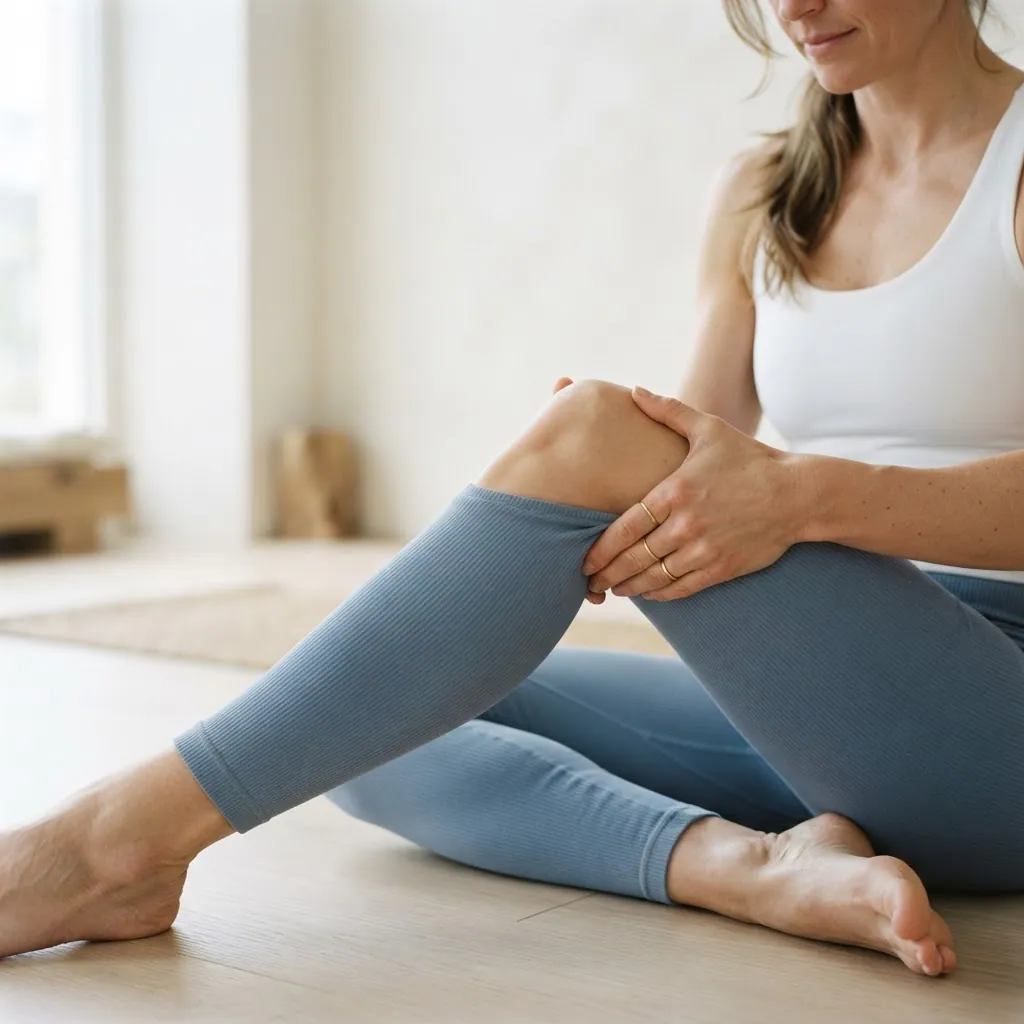
Key takeaways
- Focus on strength, fatigue, technique, equipment, and warning signs rather than searching for one universal fix.
- Use gradual progression and next-day symptoms to judge whether the current workload is appropriate.
- Major injury, inability to bear weight, a hot swollen joint, or worsening mechanical symptoms requires prompt assessment.
Why this topic matters
Skiing Knee Injury Prevention matters because strength, fatigue, technique, equipment, and warning signs can influence comfort, confidence, and the ability to stay active.
The same activity or product may feel helpful for one person and aggravating for another. Recent changes in training, work, travel, footwear, injury history, and diagnosed conditions all affect the right next step.
Key factors to consider
Start with strength, fatigue, technique, equipment, and warning signs. Avoid changing several variables at once because that makes it difficult to understand what helped or worsened symptoms.
Use pain, swelling, walking quality, and next-day function as feedback. A mild response that settles is different from escalating symptoms or a progressive loss of movement.
- Choose a tolerable starting level
- Prioritize control and comfort
- Build duration or resistance gradually
- Allow recovery after demanding sessions
A practical first-step plan
Temporarily reduce the activity that clearly triggers symptoms, but do not assume complete inactivity is always best. Maintain comfortable movement where possible, then rebuild gradually.
Plan short, repeatable sessions and adjust one factor at a time—such as duration, range, resistance, speed, or frequency. This creates a clearer and safer progression.
Strength, mobility, and technique
The quadriceps, hamstrings, glutes, calves, and trunk contribute to lower-limb control. A well-designed program usually combines strength, mobility, balance, and activity-specific practice.
Do not force a swollen, injured, or mechanically blocked knee through sharp pain. A physical therapist or other qualified clinician can tailor exercises to a diagnosis, surgery history, or rehabilitation stage.
Where a compression sleeve may fit
A comfortable compression sleeve may provide warmth, light compression, and a more secure feeling during selected activities. It does not repair damaged tissue, replace rehabilitation, or guarantee injury prevention.
The sleeve should feel snug without numbness, tingling, skin color change, increased swelling, or restricted circulation. Remove it and seek advice if those symptoms appear.
When to seek medical care
Arrange medical review when symptoms persist, repeatedly limit normal activity, or are accompanied by swelling, locking, repeated giving way, or loss of motion.
Seek urgent help after a significant injury if the knee is deformed or you cannot bear weight. A hot, red, swollen joint with fever or feeling unwell also needs prompt assessment.
Bodylume practical tip
Use support products as one part of a broader plan that includes sensible movement, progressive strengthening, recovery, and attention to warning signs. The goal is to support activity—not to hide worsening symptoms.
Frequently asked questions
Is skiing knee injury prevention always a sign of a serious problem?
No. Some cases are mild and improve with sensible changes, while others reflect an injury or condition that needs assessment. Severity, duration, and associated symptoms matter.
Should I stop all activity?
Not automatically. Comfortable modified movement may be appropriate, but stop and seek advice when symptoms are severe, worsening, unstable, or linked to a significant injury.
Can a compression knee sleeve help?
A sleeve may provide warmth, light compression, and a secure feeling. It does not diagnose or cure the underlying cause and should fit without numbness, color change, or increased pain.
When should I contact a healthcare professional?
Arrange assessment when symptoms persist or limit function. Seek urgent care for deformity, inability to bear weight, severe swelling, or a hot red joint with fever or feeling unwell.
Sources and editorial note
This educational article is based on reputable medical and public-health references. It does not provide a diagnosis and is not a substitute for advice from a qualified healthcare professional.