
How Compression Knee Sleeves Actually Support Your Joints
Understand what compression knee sleeves can and cannot do, how fit affects comfort, and when extra knee support may be useful.
Key takeaways
- Fit should be snug but never numb, painful, or restrictive.
- Sleeves and rigid braces serve different purposes.
- Support works best alongside appropriate activity and professional care when needed.
What a compression sleeve is
A compression knee sleeve is a flexible garment worn around the knee. Unlike a rigid hinged brace, it usually does not mechanically limit movement. Its purpose is to provide close-fitting support while allowing the knee to bend during walking, training, work, or travel.
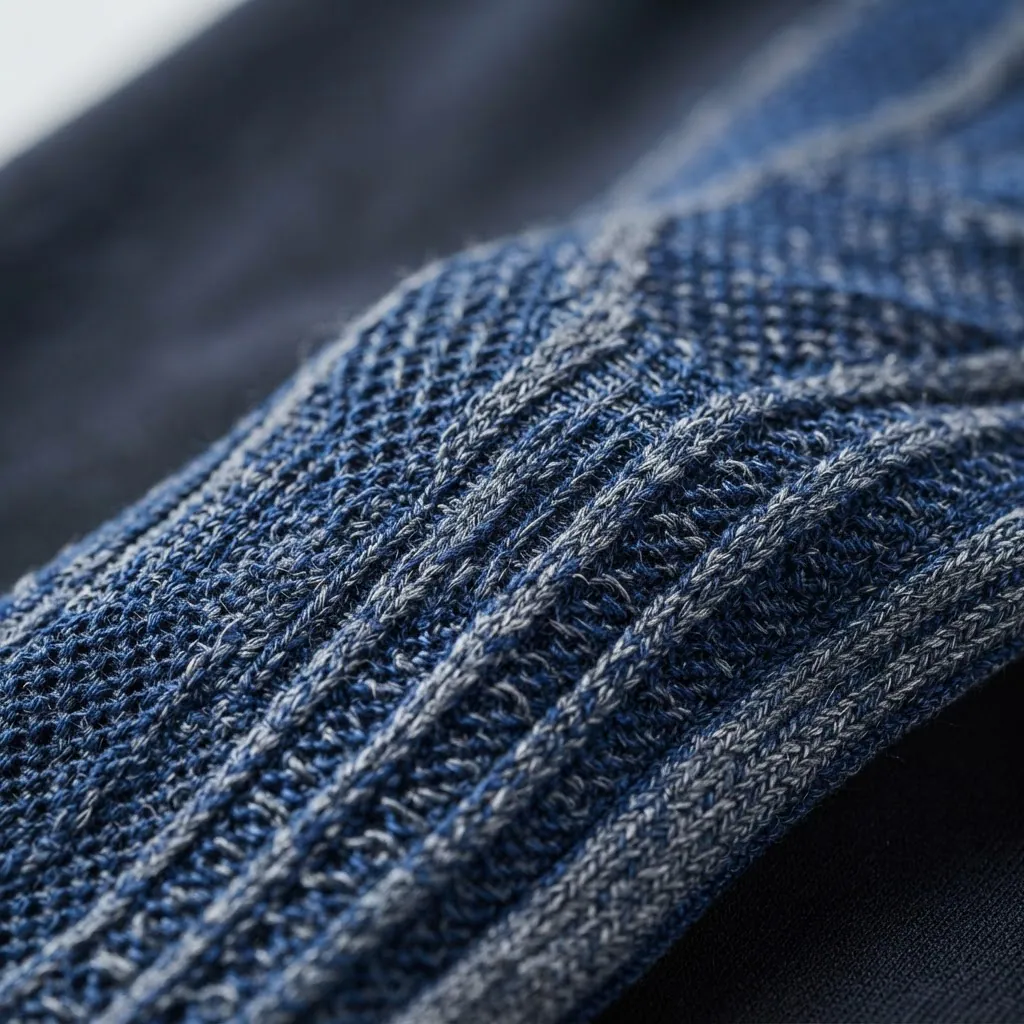
Sleeves vary in material, thickness, length, pressure, and construction. Some use different knit zones to create a more secure feel around the kneecap and upper or lower edges.
How compression may feel supportive
A close-fitting sleeve can provide sensory feedback from the skin. This may help some wearers feel more aware of knee position and movement. Warmth and consistent contact can also make the joint feel more comfortable during activity.
These effects are individual. A person may value the confidence and comfort of a sleeve even though it is not changing the underlying structure of the joint.
Compression versus stability
Compression and mechanical stability are not the same. A sleeve offers flexible support. A medical brace may include straps, hinges, or unloading features designed for a specific diagnosis.
After a ligament injury, surgery, recurrent instability, or significant trauma, do not assume a generic sleeve is enough. A clinician can determine whether a medical brace or rehabilitation plan is required.
What a knee sleeve cannot do
Responsible product use begins with realistic expectations. A sleeve is a support accessory, not a cure.
- It cannot heal a torn ligament or meniscus.
- It cannot reverse arthritis or regrow cartilage.
- It cannot make unsafe training automatically safe.
- It should not delay assessment of severe pain, swelling, locking, or instability.
How tight should a compression sleeve be?
The sleeve should remain in place and feel secure without causing tingling, numbness, throbbing, skin discoloration, increased swelling below the sleeve, or more pain. Measure according to the manufacturer’s size chart rather than choosing the smallest size for “more compression.”
Remove the sleeve and reassess the fit if your foot becomes cold, your skin changes color, or sensation changes. People with circulation, skin, or nerve conditions should seek medical advice before using compression products.
When people commonly wear one
Wear time should be based on comfort, skin tolerance, and professional guidance. More hours are not automatically better.
- During walking or standing-heavy days.
- For selected gym or recreational activities.
- During travel when comfort and movement are priorities.
- As part of a clinician-approved return-to-activity plan.
Bodylume practical tip
Choose support that fits the task. A breathable sleeve may suit active daily use, while a diagnosed injury may require a different medical device. Stop use if symptoms worsen and treat persistent knee pain as a health question, not only a product-selection question.
Frequently asked questions
Do compression knee sleeves really work?
They can provide warmth, compression, and a sense of support for some users. Results vary, and they do not treat every cause of knee pain.
Can I wear a knee sleeve all day?
Some people tolerate extended wear, but fit, skin comfort, circulation, and the reason for wearing it matter. Remove it if you develop numbness, color change, or increased pain.
Is a sleeve the same as a knee brace?
No. Sleeves are usually flexible and compressive, while braces may use straps or hinges for targeted mechanical support.
Can I sleep in a compression knee sleeve?
Do so only when a clinician recommends it or the product is specifically intended for overnight use. Unmonitored compression during sleep may not be appropriate for everyone.
Sources and editorial note
This educational article is based on reputable medical and public-health references. It does not provide a diagnosis and is not a substitute for advice from a qualified healthcare professional.