
5 Daily Habits That Help Keep Your Knees Strong
Build a knee-friendly routine with five practical habits for strength, mobility, recovery, and safer everyday movement.
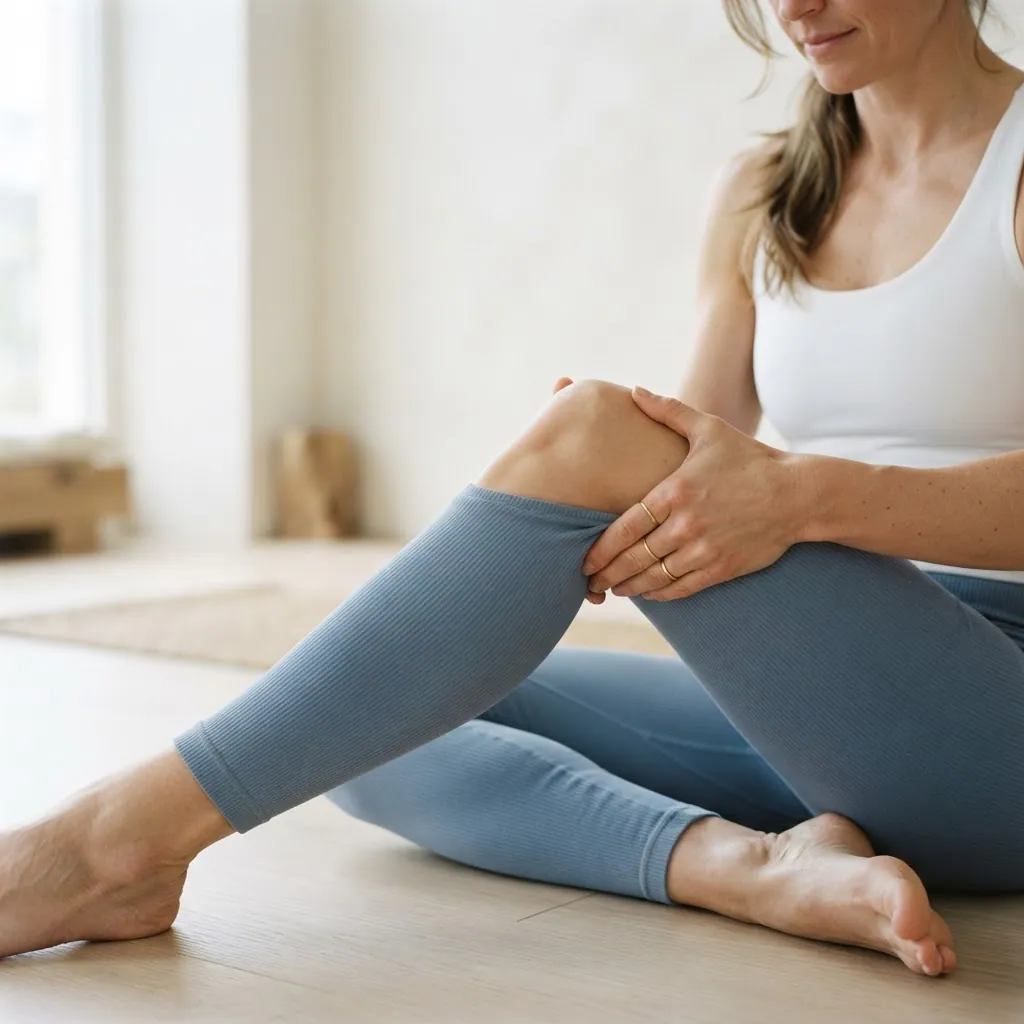
Key takeaways
- Strong hip and thigh muscles help control forces around the knee.
- Consistency matters more than occasional intense workouts.
- Pain that is severe, worsening, or paired with swelling or instability deserves medical review.
Why everyday habits matter
Your knees work during almost every change of position: standing, walking, climbing stairs, sitting down, exercising, and carrying groceries. The joint depends on coordinated support from the quadriceps, hamstrings, glutes, calves, ligaments, tendons, cartilage, and surrounding tissues.
No single habit can guarantee an injury-free knee. A practical routine can, however, improve strength, balance, confidence, and movement quality while helping you notice problems before they become harder to manage.
Habit 1: Move a little throughout the day
Long periods of inactivity can leave the legs feeling stiff and make the first few steps uncomfortable. Short walks, gentle range-of-motion work, or simply standing up regularly can help you avoid spending the entire day in one position.
Choose an amount of movement that suits your current ability. A ten-minute walk completed comfortably is more useful than an ambitious session that causes a major flare-up and prevents activity for several days.
- Take brief walking breaks.
- Change position regularly.
- Use stairs only when they feel comfortable and controlled.
- Build total activity gradually.
Habit 2: Strengthen the muscles that support the knee
The knee does not work alone. The quadriceps help straighten the leg, while the hamstrings, glutes, and calf muscles contribute to control and stability. Strengthening these areas can make daily tasks feel easier.
Begin with controlled exercises such as sit-to-stands, supported mini-squats, bridges, calf raises, or straight-leg raises. Exercise selection should match your mobility, injury history, and professional guidance when you have a diagnosed condition.
Habit 3: Warm up and increase activity gradually
A warm-up gives you time to assess how your body feels before higher-demand activity. Start with easy movement, then gradually increase speed and range. Sudden jumps in running distance, hiking elevation, squat volume, or sports intensity can overload tissues that have not adapted yet.
A simple progression rule is to change one training variable at a time. Add duration, resistance, or frequency rather than increasing everything in the same week.
Habit 4: Make recovery part of training
Recovery includes sleep, nutrition, hydration, lighter days, and adjusting activity when soreness is more than expected. It does not always mean complete rest. Gentle movement can often be maintained as long as it does not aggravate the problem.
A compression sleeve may feel supportive during everyday movement or exercise for some people. It should fit snugly without causing numbness, color change, increased pain, or restricted circulation, and it should not be used to hide symptoms that need evaluation.
Habit 5: Respond early to warning signs
Temporary mild soreness after a new activity is different from severe pain, rapidly increasing swelling, locking, repeated giving way, or an inability to bear weight. Do not repeatedly push through symptoms that are worsening.
Seek urgent medical help after a significant injury if the knee is deformed, you cannot put weight through it, the joint becomes very hot and swollen, or you feel generally unwell. Persistent pain should also be assessed by a qualified clinician.
Bodylume practical tip
Build a routine you can repeat. Pair two or three strength sessions each week with comfortable daily movement, then adjust based on how your knee responds. Support products are accessories to good movement habits, not replacements for diagnosis, rehabilitation, or medical treatment.
Frequently asked questions
Is walking every day good for the knees?
Walking can support general fitness and joint movement for many people. Start with a comfortable distance and reduce the amount if pain or swelling clearly increases.
Which muscles should I strengthen for knee support?
Programs commonly include the quadriceps, hamstrings, glutes, and calf muscles because they all contribute to lower-limb control.
Should I exercise with knee pain?
It depends on the cause and severity. Mild symptoms may allow modified activity, but severe, worsening, or injury-related pain should be evaluated before continuing.
Can a knee sleeve prevent every injury?
No. A sleeve may provide warmth, compression, or a sense of support, but it cannot prevent every injury or correct unsafe training by itself.
Sources and editorial note
This educational article is based on reputable medical and public-health references. It does not provide a diagnosis and is not a substitute for advice from a qualified healthcare professional.