
Smarter Recovery After Every Workout: A Knee-Friendly Guide
Use a practical post-workout routine to manage normal soreness, support recovery, and recognize knee symptoms that need professional attention.
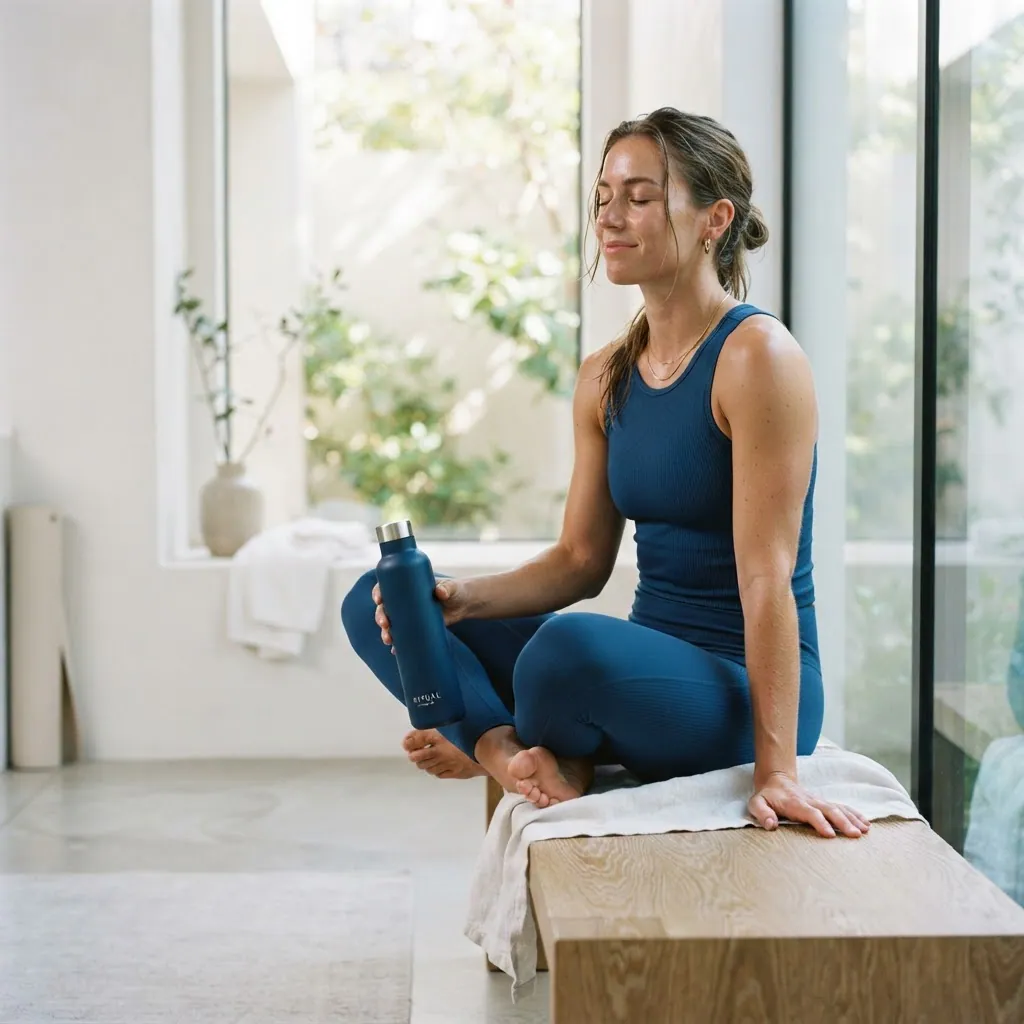
Key takeaways
- Normal fatigue should improve; escalating joint pain is different.
- Recovery is an active part of training.
- Do not use support gear to push through serious warning signs.
Soreness versus a possible injury
General muscle soreness often develops after an unfamiliar or demanding workout and usually improves over several days. Joint pain may feel sharper, more localized, or associated with swelling, catching, locking, or instability.
There is no perfect self-test. When symptoms follow a twist, fall, collision, or loud pop—or you cannot bear weight—seek medical assessment rather than trying to “recover harder.”
Step 1: Finish with a gradual cool-down
Rather than stopping abruptly after high-intensity work, use a few minutes of easy walking or gentle cycling when comfortable. A cool-down is also a useful time to notice whether discomfort settles as intensity drops or continues to build.
Avoid aggressive stretching into pain. Comfortable motion is the goal, not forcing the knee through a range it is resisting.
Step 2: Replace what the workout used
Hydration and regular balanced meals support general recovery. After longer or harder sessions, include protein and carbohydrate within your normal eating plan. Supplements cannot compensate for insufficient sleep, poor load management, or a possible injury.
If you have a medical condition or specialized nutrition needs, use advice from an appropriately qualified professional.
Step 3: Protect sleep
Sleep supports physical recovery, learning, mood, and decision-making. A fatigued athlete may also move less efficiently and make poor training choices. Aim for a consistent routine rather than relying on a single long night after several short ones.
Night pain that repeatedly wakes you, especially when unexplained or worsening, deserves medical attention.
Step 4: Adjust the next session
Recovery is not always complete rest. You may be able to train a different area, reduce impact, shorten the session, or choose swimming or easy cycling if these options do not aggravate symptoms.
The key is modification, not denial. Continuing the exact activity that reliably increases pain can delay progress.
Where compression fits
A comfortable knee sleeve may provide warmth and a secure feel during selected activities. It should not be so tight that it changes sensation or circulation, and it should not be used to conceal pain that is getting worse.
After surgery, major injury, or a diagnosed circulation problem, ask your healthcare team before using compression.
A simple 24-hour recovery check
Your answers can help guide the next training decision. A clear negative trend is a reason to reduce load and seek advice when symptoms persist.
- Did swelling increase after the session?
- Is walking more difficult the next morning?
- Did pain return to its usual level?
- Can you complete normal daily activities comfortably?
Frequently asked questions
Should I ice my knee after every workout?
Not everyone needs ice after routine exercise. It may be used temporarily for pain or swelling, but persistent symptoms should be assessed rather than repeatedly masked.
How long should knee soreness last after exercise?
Mild muscle soreness often improves over a few days. Joint pain that is worsening, swollen, unstable, or not improving needs professional evaluation.
Is complete rest always best?
No. Safe modified activity is often possible, but the right level depends on the cause and severity of symptoms.
Can a sleeve speed healing?
A sleeve may provide comfort or support, but it does not directly repair injured tissue or replace rehabilitation.
Sources and editorial note
This educational article is based on reputable medical and public-health references. It does not provide a diagnosis and is not a substitute for advice from a qualified healthcare professional.