
Knee Bursitis: Swelling, Pressure, and Safer Activity
Learn how knee bursitis can cause localized swelling and tenderness, what activities aggravate it, and when medical review is important.
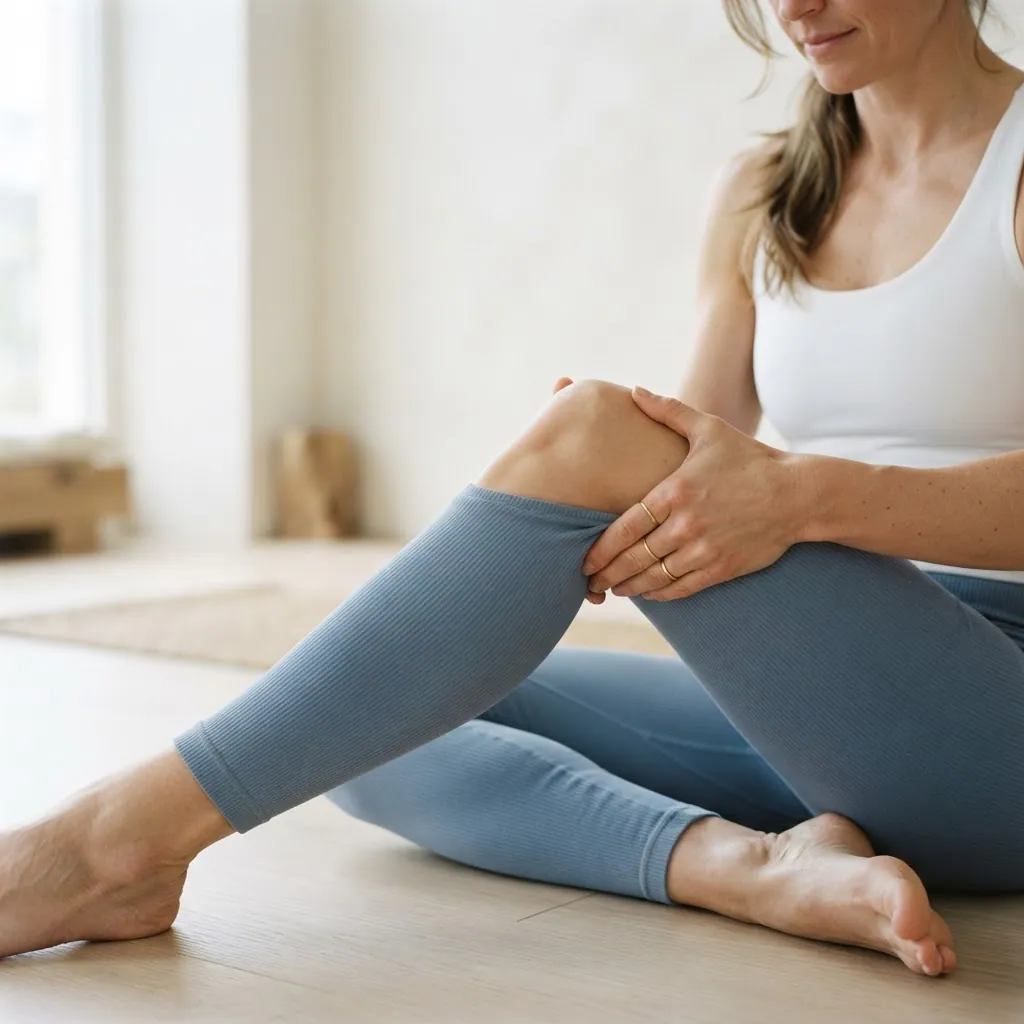
Key takeaways
- Repeated pressure can irritate bursae.
- Infection must be considered when the area is hot and red.
- Avoid tight compression over unexplained swelling.
What a bursa is
Bursae are small fluid-filled sacs that reduce friction between skin, tendons, and bone. Several are located around the knee.
Common triggers
- Frequent kneeling.
- Direct impact.
- Repetitive overuse.
- Arthritis or gout.
- Infection through a skin break.
Early management
Reduce pressure on the area, use protective padding when returning to kneeling, and keep any skin wound clean. Cold therapy may help discomfort after irritation.
Compression considerations
A tight sleeve over a swollen bursa may increase discomfort. Use support only when the cause is understood and fit is comfortable.
When to seek care
Prompt assessment is needed for fever, spreading redness, marked warmth, drainage, severe pain, or rapidly increasing swelling.
Frequently asked questions
Can knee bursitis go away on its own?
Mild noninfectious irritation may improve with reduced pressure, but persistent or severe swelling should be assessed.
Is kneeling the main cause?
Repeated kneeling is common, but impact, arthritis, gout, and infection can also contribute.
Can I exercise with bursitis?
Comfortable activity may be possible if it does not increase pressure or symptoms.
Sources and editorial note
This educational article is based on reputable medical and public-health references. It does not provide a diagnosis and is not a substitute for advice from a qualified healthcare professional.