
Knee Pain Without an Injury: Common Explanations and Next Steps
Explore common reasons knee pain can develop without a clear accident, from overload and arthritis to tendon irritation and referred pain.
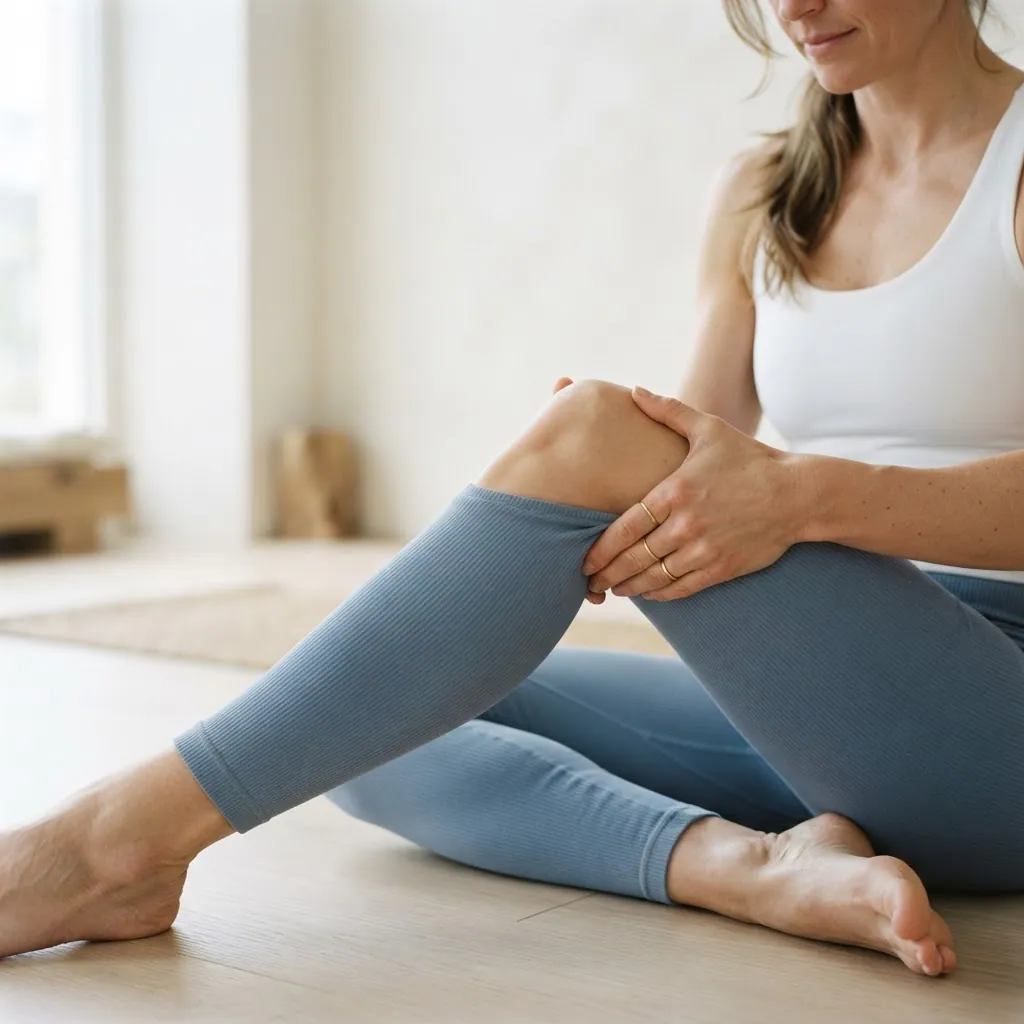
Key takeaways
- No remembered injury does not mean there is no cause.
- Review recent changes in walking, exercise, work, or footwear.
- Persistent or worsening symptoms need a proper diagnosis.
Why pain can begin gradually
Tissues can become irritated through repeated load rather than one dramatic event. A new exercise plan, longer commute, standing job, change in body weight, or return to sport may increase demand faster than the knee adapts.
Common explanations
- Osteoarthritis or another joint condition.
- Patellofemoral pain around the kneecap.
- Tendon or bursa irritation.
- Reduced hip and thigh strength.
- Referred pain from the hip, back, or nerves.
- Inflammatory or metabolic conditions.
Questions to ask yourself
Has your activity, footwear, work setup, or training surface changed? Is the pain linked to stairs, prolonged sitting, walking, or night? Is there swelling, stiffness, warmth, or instability?
A short symptom diary can make a clinical consultation more useful.
What to try safely
Reduce the clearest trigger, keep comfortable general movement, and avoid sudden high-load testing. Gradual strength work may help, but exercise should match the suspected cause and your current ability.
When to arrange assessment
Seek review when pain lasts more than a few weeks, recurs frequently, worsens, or limits sleep and daily activity. Prompt assessment is important for a hot swollen joint, fever, inability to bear weight, or new neurological symptoms.
Frequently asked questions
Can inactivity cause knee pain?
Long periods of inactivity can contribute to stiffness and reduced strength, but other causes should be considered when pain persists.
Can new shoes cause knee pain?
A major change in footwear or activity mechanics may contribute, although it is rarely the only possible cause.
Is unexplained knee pain normal with age?
Knee pain is common but should not automatically be dismissed as aging, especially when it limits function or changes rapidly.
Sources and editorial note
This educational article is based on reputable medical and public-health references. It does not provide a diagnosis and is not a substitute for advice from a qualified healthcare professional.