
Knee Pain in Seniors: Mobility, Strength, and Safer Support
A practical guide to common knee pain causes in older adults, safe activity, strength, balance, and when to seek medical care.
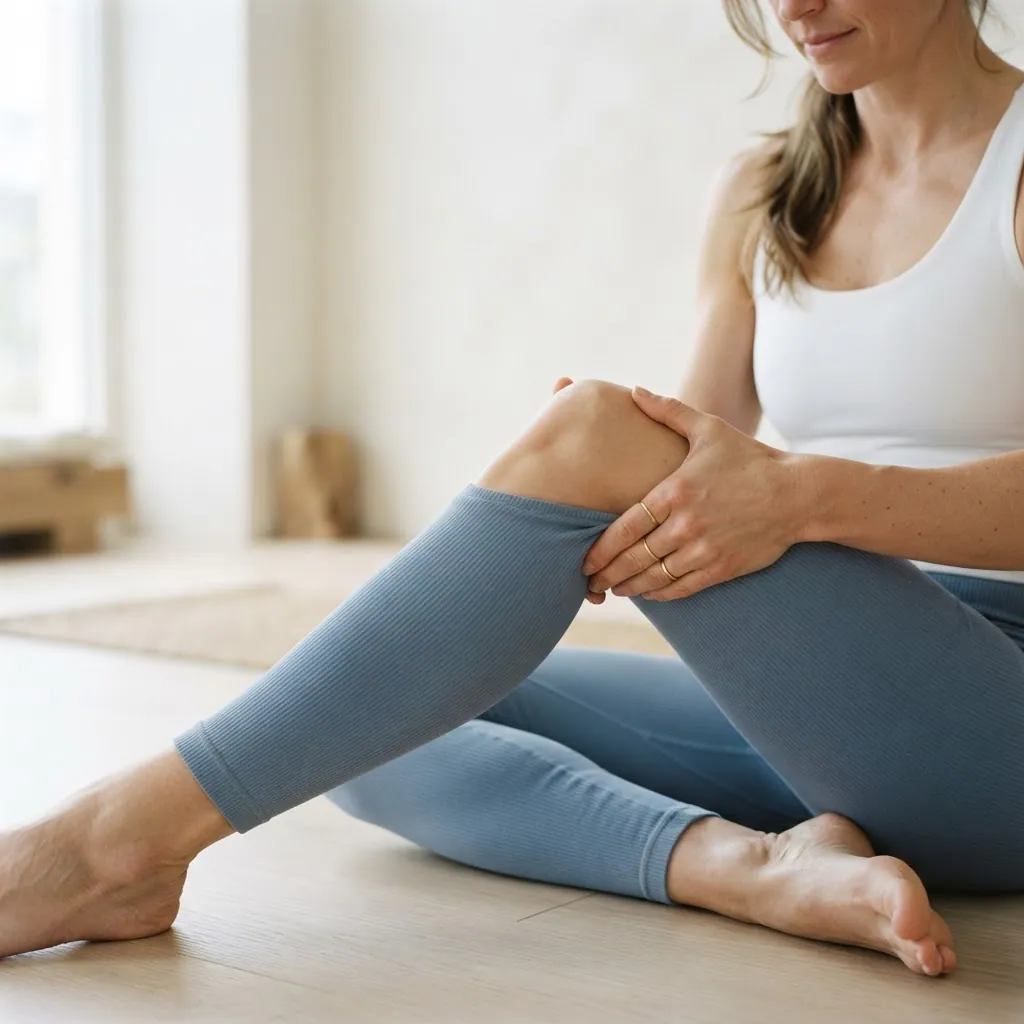
Key takeaways
- Inactivity can worsen weakness and confidence.
- Balance and strength are important alongside aerobic activity.
- New swelling, falls, or rapid decline should be assessed.
Common causes
Osteoarthritis is common with age, but not every knee symptom should be dismissed as normal aging. Tendon problems, previous injuries, inflammatory conditions, and referred pain can also contribute.
Keep moving safely
Walking, cycling, water exercise, and tailored strength work can support function when matched to ability. Short sessions can be accumulated through the week.
Strength and balance
- Supported sit-to-stands.
- Calf raises near a stable surface.
- Hip-strengthening exercises.
- Balance work with appropriate supervision.
Support devices
A sleeve may provide warmth or confidence. A cane, walker, or medical brace may be more appropriate when balance or stability is a concern and should be selected with professional guidance.
When to seek care
Prompt review is important after a fall, for inability to bear weight, rapid swelling, a hot red joint, or sudden loss of function. Persistent pain also deserves a management plan.
Frequently asked questions
Is walking safe for seniors with knee pain?
Walking is often suitable when paced appropriately and adjusted for symptoms and balance.
Can strength training help older knees?
Appropriate strength training can improve function and support the muscles around the knee.
When is a cane useful?
A clinician can advise when a cane may improve safety, unload a painful side, or support balance.
Sources and editorial note
This educational article is based on reputable medical and public-health references. It does not provide a diagnosis and is not a substitute for advice from a qualified healthcare professional.