
Knee Pain When Standing Up: Common Causes and Safer Next Steps
Learn why the knee may hurt when rising from a chair, how strength and stiffness can contribute, and when symptoms need medical review.
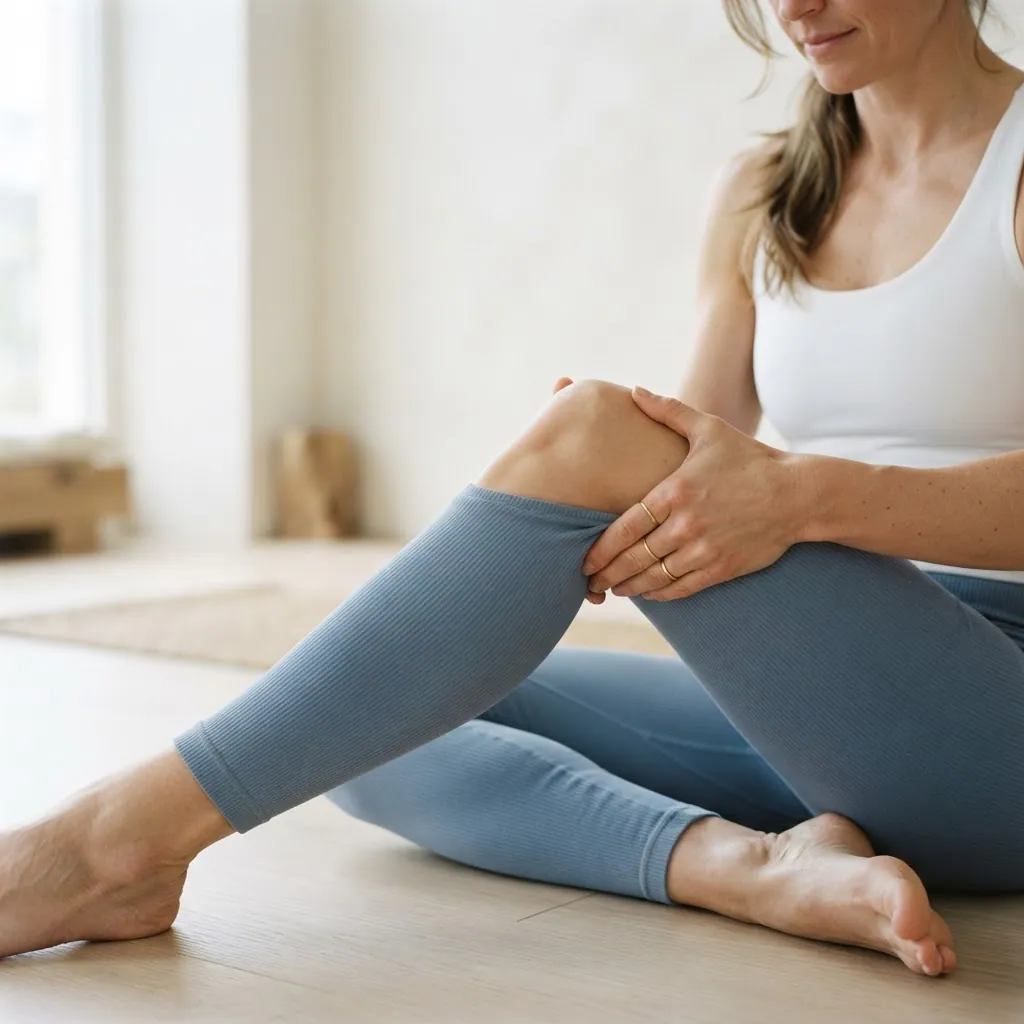
Key takeaways
- Chair height and movement control affect knee load.
- Gradual strength work can improve sit-to-stand ability.
- Persistent or worsening pain needs evaluation.
Why standing up loads the knee
Rising from a chair requires the quadriceps and hips to lift body weight while the knee moves from a bent position toward straight. A low chair, long sitting period, or reduced strength can make this movement more demanding.
Pain at the front of the knee may reflect patellofemoral irritation, while stiffness and aching can occur with osteoarthritis or after inactivity.
Common contributors
- Low chair height or soft seating.
- Kneecap irritation during deep bending.
- Osteoarthritis-related stiffness.
- Reduced hip and thigh strength.
- Recent injury, swelling, or overload.
Make the movement easier
Move toward the edge of the chair, place both feet under the knees, lean forward from the hips, and use the armrests if needed. A firmer or slightly higher seat may reduce demand.
Avoid twisting while rising and do not repeatedly test a painful movement.
Build capacity gradually
Supported sit-to-stands, mini-squats, bridges, and calf raises may improve lower-limb capacity when they are comfortable and appropriate. Start with a manageable range and increase repetitions gradually.
When to seek help
Arrange assessment if the pain lasts for several weeks, limits daily activity, or worsens. Seek prompt care after injury if the knee cannot bear weight, rapidly swells, locks, or repeatedly gives way.
Frequently asked questions
Why does my knee hurt after sitting?
Long sitting can increase stiffness and make the first loaded movement uncomfortable, especially with kneecap irritation or arthritis.
Should I use my hands to stand up?
Using armrests is reasonable when it improves safety and control. Strength can be rebuilt gradually.
Can a knee sleeve help?
A sleeve may provide warmth and a secure feel, but it does not treat the underlying cause of persistent pain.
Sources and editorial note
This educational article is based on reputable medical and public-health references. It does not provide a diagnosis and is not a substitute for advice from a qualified healthcare professional.