
Knee Pain After Gardening: Kneeling, Squatting, and Recovery
Learn common reasons for knee pain after gardening, practical ways to adjust activity, and warning signs that deserve medical assessment.
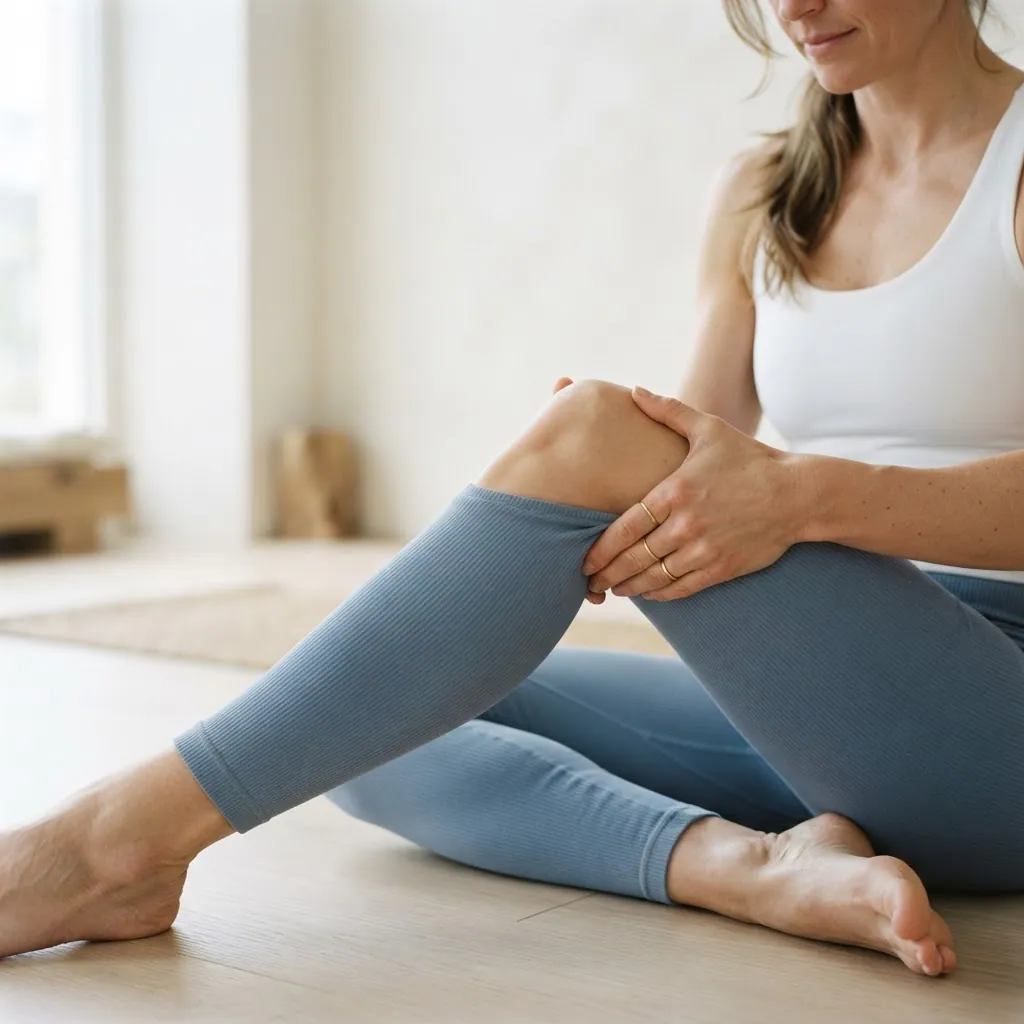
Key takeaways
- Recent changes in load or position are useful clues.
- Modify the aggravating activity instead of repeatedly pushing through pain.
- Swelling, locking, instability, fever, or inability to bear weight require medical attention.
Why this can happen
Knee Pain After Gardening does not point to one diagnosis. The knee responds to total load from activity, body position, speed, resistance, surface, recovery, and the capacity of the hips, thighs, calves, and feet.
Look at what changed recently. A new exercise, longer session, harder surface, different shoes, more standing, or less recovery can be more informative than the pain location alone.
Common contributing factors
- A sudden increase in activity or resistance.
- Technique or setup that places the knee in an uncomfortable range.
- Reduced strength or control at the hip, thigh, calf, or foot.
- A previous injury, arthritis, tendon irritation, or another joint condition.
What to do now
Temporarily reduce the movement or workload that clearly increases symptoms. Keep easy movement that feels comfortable and avoid repeatedly testing the painful action.
When symptoms are mild and improving, rebuild gradually by changing one variable at a time, such as duration, speed, resistance, range, or frequency.
How support products may fit
A correctly fitted compression sleeve may provide warmth, light compression, and a more secure feeling during selected activities. It should not cause numbness, tingling, color change, increased swelling, or more pain.
A sleeve is not a diagnosis or a substitute for rehabilitation. Significant instability, recent surgery, major trauma, or circulation concerns require individualized professional guidance.
When to seek medical care
Arrange assessment when pain lasts more than a few weeks, repeatedly returns, limits normal activity, or is steadily worsening. Seek prompt care for rapid swelling, deformity, inability to bear weight, a hot red joint with fever, locking, or repeated giving way.
Frequently asked questions
Should I keep exercising with knee pain after gardening?
Do not continue unchanged if pain is sharp, worsening, or changing your movement. Mild symptoms may allow a reduced or modified version, but persistent pain needs assessment.
Can a knee sleeve help?
A sleeve may improve comfort or confidence for some people, but it cannot identify or repair the underlying cause.
How quickly should symptoms improve?
The timeline depends on the cause. A clear improving trend is reassuring; recurring, worsening, swollen, unstable, or injury-related symptoms should be evaluated.
Sources and editorial note
This educational article is based on reputable medical and public-health references. It does not provide a diagnosis and is not a substitute for advice from a qualified healthcare professional.